Poplar rubbish collection guide for Chrisp Street traders
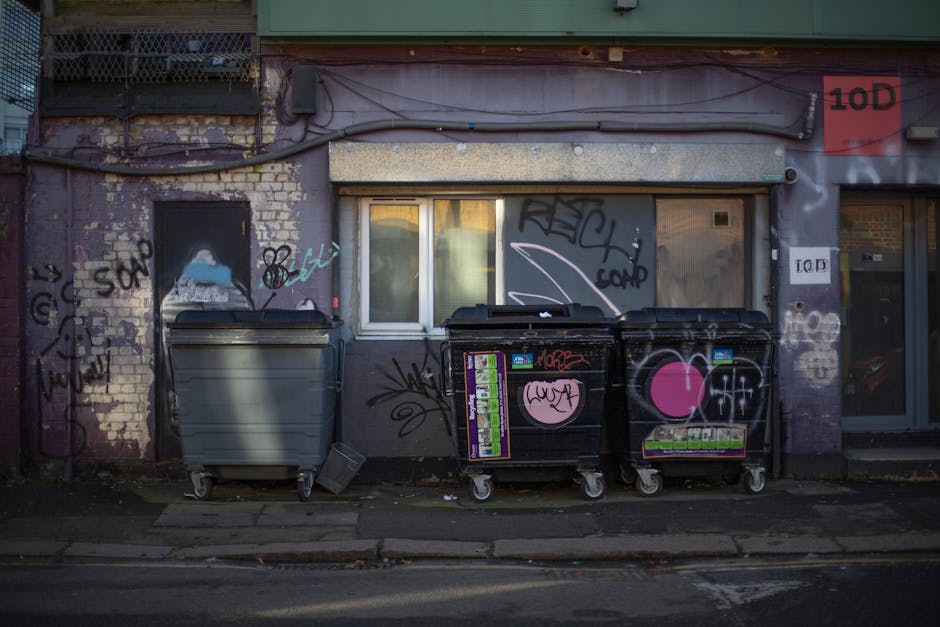
If you trade on or near Chrisp Street, rubbish has a way of showing up faster than you expect. Cardboard stacks grow by the till, packaging hides behind stock cages, and one busy morning can leave you wondering where the last three sacks came from. This Poplar rubbish collection guide for Chrisp Street traders is here to make the whole thing feel a lot less messy.
Whether you run a market stall, a small shop, a food counter, or a service business with regular commercial waste, the goal is simple: keep your space tidy, avoid avoidable problems, and choose a collection approach that actually fits the way you work. Below, you'll find a practical guide to how rubbish collection works in Poplar, what traders should plan for, and the small habits that make a big difference by the end of the week.
Why Poplar rubbish collection guide for Chrisp Street traders Matters
For local traders, waste is not just a back-of-house nuisance. It affects how customers see your business, how easily staff can work, and how smoothly deliveries, stock handling, and closing time all run. In a busy area like Chrisp Street, a few overflowing bags or a pile of flattened boxes left in the wrong place can quickly turn into clutter, blocked access, or complaints from neighbours and passers-by.
There's also the simple reality of trade: if your rubbish handling is chaotic, everything else tends to feel chaotic too. You waste time moving sacks around. You lose floor space. You end up dealing with smells, pests, or the lovely surprise of broken packaging getting underfoot. Not ideal. Truth be told, most traders do not need a complicated system; they need one that is reliable, quick to follow, and easy for staff to maintain on a busy day.
This guide matters because it helps you think about waste as part of your daily operations rather than an afterthought. That shift alone can save time and reduce stress. If you want a broader overview of how commercial clearance support works, the information on business waste removal is a useful place to compare service options before you commit to anything.
How Poplar rubbish collection guide for Chrisp Street traders Works
In practical terms, rubbish collection for traders usually follows a straightforward rhythm. Waste is separated at source where possible, stored safely, then collected by an arranged service or cleared in one-off visits when needed. The exact setup depends on what you sell, how much waste you produce, and whether your stock or packaging comes in steady daily volumes or in occasional bursts.
For Chrisp Street traders, the most common waste streams are usually cardboard, mixed packaging, food waste, general refuse, broken fixtures, and the odd bulky item that appears during refits or deliveries. A fruit stall will have very different needs from a clothing trader, and a cafe will have different pressures again. That's why a one-size-fits-all approach rarely works for long.
Most traders do best with a simple process:
- Sort waste into clear categories.
- Keep recyclable material separate where possible.
- Store sacks, boxes, and bulky items in a safe, designated spot.
- Arrange collection before waste starts to spill into customer or staff areas.
- Review the system after busy trading periods and adjust it if needed.
That last point is underrated. A collection schedule that works on a quiet Tuesday may fall apart on market day or after a stock refresh. If you need broader clearance support for larger volumes or mixed contents, it may also help to look at waste removal alongside any routine arrangement.
Key Benefits and Practical Advantages
A good rubbish collection routine does more than keep the pavement neat. It supports the whole trading operation. And yes, there's a commercial benefit, not just a cleanliness one.
- Better presentation: tidy waste handling makes your frontage look cared for, which matters a great deal in a busy local shopping area.
- Safer working conditions: fewer trip hazards, fewer overfilled bags, fewer awkward manoeuvres with heavy waste.
- More usable space: stock rooms, staff corners, and service areas stay clearer for the things that actually earn revenue.
- Cleaner workflows: staff know where waste goes and who is responsible for moving it.
- Lower nuisance risk: less chance of smells, leaks, pests, or scattered packaging.
- Better collection efficiency: if the waste is prepared well, pickups are usually faster and smoother.
There's also a less obvious benefit: calmer staff. When rubbish is under control, opening and closing routines feel less rushed. That matters on a wet London evening when everyone wants to get home and the pavement is already busy. Small win, but a real one.
Who This Is For and When It Makes Sense
This guide is especially useful for Chrisp Street traders who generate recurring commercial waste, but it also helps any nearby business that needs a cleaner, more organised collection system.
It makes sense if you are:
- running a market stall with daily packaging and display waste;
- managing a shop with regular cardboard, wrapping, and broken stock packaging;
- operating a cafe, takeaway, or food counter with mixed refuse and food-related waste;
- dealing with seasonal trading spikes and extra material after promotions or events;
- clearing old fixtures, fittings, or bulky items during a refit;
- trying to improve staff routines around storage, separation, and pickup timing.
It's also relevant if you only produce modest waste but want it collected in a neat, professional way rather than relying on a patchwork of bags, storage corners, and "we'll sort it later" logic. That usually becomes a headache. Usually.
For traders with a small unit or compact back area, a tailored plan can matter more than volume alone. In those cases, services linked to office clearance or builders waste clearance may also be relevant if the waste includes fixtures, fit-out debris, or refurbishment material, not just ordinary sacks.
Step-by-Step Guidance
If you want a rubbish collection system that actually holds up during a busy week, keep it simple and repeatable. Here's a practical way to set it up.
1. Identify what you throw away most often
Start with the basics. Is your main waste cardboard? Food leftovers? Plastic packaging? Broken display items? Old furniture? This is the part many people skip, and then wonder why the collection plan feels clunky. If most of your waste is cardboard, for example, you need a different storage approach than a trader who produces mixed refuse and occasional bulky items.
2. Separate waste into sensible groups
Do not overcomplicate this. You are aiming for practical sorting, not a lab experiment. Common groups include general waste, recycling, food-related waste, and bulky or reusable items. Clear separation makes collection easier and often keeps the area cleaner.
3. Choose a storage spot that does not disrupt trading
Your waste point should be accessible but out of the customer flow. A narrow walkway is a bad place for stacked bags, even if it seems convenient for staff. If items need to be held briefly before collection, pick a spot that is dry, secure, and easy to inspect at a glance.
4. Set a collection rhythm that matches your trading pattern
Busy days may need earlier clearance or extra pickups. Slower periods may allow you to stretch the schedule a bit. The point is to prevent build-up. If waste is touching capacity regularly, the arrangement is already too loose.
5. Brief staff properly
Even a good system fails if nobody uses it consistently. Make sure staff know which items go where, who checks the storage area, and what to do when waste spikes unexpectedly after deliveries or a stock delivery frenzy.
6. Review and adjust
Every trade business changes. Seasonal stock, promotion packaging, new equipment, and different opening hours all affect waste. Re-check the routine every few weeks and tighten things up where needed. A system that evolves is a system that lasts.
Expert Tips for Better Results
From experience, the traders who stay on top of rubbish collection tend to do a few small things consistently. None of it is glamorous, but it works.
- Flatten cardboard straight away. It sounds obvious, but loose boxes eat up space fast.
- Keep a spare supply of bags and liners. Running out at closing time leads to sloppy overfilling.
- Use labelled bins or zones. Staff make fewer mistakes when the system is visually obvious.
- Schedule around your peak hours. Let collections happen when footfall is lower if you can.
- Watch for mixed waste. One wrong item can turn a tidy load into a nuisance.
- Don't let "temporary" storage become permanent. That old chair or broken shelf can sit there for weeks if no one owns it.
A good rule of thumb: if waste starts to feel invisible, that's when it becomes a problem. The neat traders are the ones who keep noticing it before it starts to spread. A small habit, really, but a powerful one.
If you are dealing with old stock, unwanted furniture, or damaged counters as part of a reset, you may want to look at furniture clearance or furniture disposal to handle those items without clogging up your trading space.
Common Mistakes to Avoid
Most waste problems in small business settings are not dramatic. They come from a chain of little things that nobody quite dealt with in time. Annoying, but predictable.
- Waiting until the area is full. By then, collection becomes slower and messier.
- Mixing recyclable and general waste. That makes sorting harder and can waste usable material.
- Using the wrong storage container. A weak sack or overfilled bin is asking for trouble.
- Leaving bulky items "for later". Later tends to mean after a week of everybody stepping around them.
- Not briefing new staff. The system only works if every person understands it.
- Ignoring access issues. If a collector cannot reach the waste point easily, delays are more likely.
One mistake that comes up a lot is treating waste as a back-of-house issue only. But if your rubbish impacts the entrance, pavement edge, or loading access, it becomes everyone's problem very quickly.
Tools, Resources and Recommendations
You do not need a lot of kit to keep trade waste under control, but the right basics make the job easier.
| Tool or resource | Best use | Why it helps |
|---|---|---|
| Strong waste sacks | General refuse and lighter mixed waste | Reduces splits and messy spillages |
| Clearly labelled bins | Separating recycling, food waste, and general waste | Makes staff routines quicker and clearer |
| Cardboard flattening knife or safe cutter | Breaking down packaging | Saves storage space, especially after deliveries |
| Wheeled containers | Moving waste safely to a collection point | Less lifting, less strain, fewer awkward trips |
| Simple staff checklist | Opening and closing routines | Keeps the system consistent even when it's busy |
For traders planning larger clearances or occasional one-off tidy-ups, it is often worth checking how the service is positioned alongside pricing and quotes so you can compare recurring collection needs with one-time clearance support. If sustainability matters in your operation, the page on recycling and sustainability is also relevant because it frames waste handling in a more responsible way, not just a quick disposal mindset.
Law, Compliance, Standards, or Best Practice
Trade waste brings a duty of care, and that is the part people sometimes gloss over. In plain English, businesses are generally expected to manage their waste responsibly, keep it contained, and use arrangements that are suitable for commercial refuse. Exact obligations depend on the type of waste and how it is handled, so it is wise to treat compliance carefully rather than casually.
Best practice usually includes:
- keeping waste secure and preventing escape into public areas;
- sorting recyclable material where practical;
- avoiding unsafe stacking or blocked exits;
- choosing a collector or clearance method that fits the waste type;
- maintaining simple records if your business process requires them;
- making sure staff understand safe handling and storage.
Health and safety also matters. Bags can be heavier than they look, old boxes can collapse unpredictably, and bulky items can catch fingers or block visibility. For a business setting, that's not trivial. The guidance on health and safety policy and insurance and safety is useful if you want to think more carefully about risk, handling, and responsibility within a trading environment.
It is also sensible to read the terms and conditions before arranging any service, especially if the waste includes mixed materials, bulky items, or access-sensitive collections. That avoids misunderstandings later. And let's face it, nobody enjoys a "we thought it meant something else" conversation on a busy day.
Options, Methods, or Comparison Table
Chrisp Street traders usually end up choosing between a few broad approaches. The right one depends on volume, timing, and how hands-on you want the process to be.
| Method | Best for | Strengths | Limitations |
|---|---|---|---|
| Routine scheduled collection | Businesses with steady ongoing waste | Predictable, tidy, easy to plan around | Less flexible if waste suddenly spikes |
| One-off clearance | Refits, stock changes, seasonal clear-outs | Good for bulky or unusual items | Not ideal for day-to-day waste |
| Mixed waste removal | Sites with several waste types in small volume | Convenient and time-saving | Needs proper sorting awareness |
| Specialist item disposal | Furniture, old fixtures, and awkward items | Useful when ordinary bins are not enough | Requires more planning |
If your waste is mostly bulky, old furniture, or shop fittings, the more targeted routes can make life easier. In those cases, the relevant pages on house clearance, home clearance, or even garage clearance can be helpful to understand how larger, mixed-item clearances are typically approached. Not every trader needs that. But when you do, it helps to know the difference.
Case Study or Real-World Example
Here's a simple real-world style scenario. A small trader near Chrisp Street runs a compact retail unit with daily deliveries of boxed goods. For months, cardboard was being stacked behind the counter "just for later", and later always seemed to arrive during the busiest half hour. Bags were getting tucked by the exit, and staff kept moving them out of the way. Nothing dramatic, just irritating enough to become normal.
After a review, the trader changed three things: boxes were flattened immediately, a dedicated waste corner was marked out, and collection timing was adjusted to avoid the morning rush. Within a short while, the shop felt less cramped. Staff could move more freely. The floor looked cleaner. Closing time became simpler because there was less last-minute lifting and no awkward pile of cardboard by the doorway.
There was no magic to it. No grand overhaul. Just a cleaner system that matched the business.
That is usually the real lesson with trade rubbish collection. The right setup is rarely the fanciest one. It is the one that people can actually stick to on a rainy Thursday when the delivery man is waiting and the phone won't stop ringing.
Practical Checklist
Use this checklist before, during, or after you arrange rubbish collection for your Chrisp Street trading space.
- Identify your main waste types.
- Separate recyclable, general, and bulky waste where possible.
- Make sure all staff know the system.
- Keep storage areas clear of walkways and exits.
- Flatten cardboard and reduce volume before collection.
- Check that sacks and containers are strong enough for the load.
- Plan collection around your quietest trading window.
- Review whether your waste needs routine pickup or a one-off clearance.
- Keep an eye on health and safety risks such as lifting, spills, and blocked access.
- Reassess the setup after busy periods, deliveries, or stock changes.
Expert summary: The best rubbish collection systems for Chrisp Street traders are not complicated. They are clear, repeatable, and easy for staff to follow when the shop is busy and the space is tight.
If you are comparing the people behind the service as well as the service itself, the about us page can help you understand the company's approach and working style before you move ahead.
Get a free quote today and see how much you can save.
Conclusion
Good rubbish collection is one of those things nobody praises when it's working, yet everyone notices when it is not. For Chrisp Street traders, the value is straightforward: cleaner trading space, fewer avoidable delays, safer handling, and less daily friction. That's the real win.
Whether you need ongoing business waste support, a one-off clear-out, or a better way to manage bulky items, the smartest move is to build a system that fits your actual routine rather than some ideal version of it. Keep it simple. Keep it consistent. And keep it realistic for the pace of your shop or stall.
When the waste is under control, the business feels lighter. Not perfect, maybe. But lighter, and that counts for a lot.
Frequently Asked Questions
What is the best rubbish collection setup for Chrisp Street traders?
The best setup is usually a simple one: separate waste types, store them safely, and arrange collection at a time that does not interfere with your trading flow. If you produce steady commercial waste, routine collection is often the easiest option.
How often should a small trader arrange rubbish collection?
It depends on volume. Busy food counters and high-footfall stalls may need frequent collection, while smaller retail units may only need periodic pickup. The right frequency is the one that stops build-up before it starts affecting space or hygiene.
Can traders mix cardboard with general waste?
They can, but it is usually not the best idea if cardboard can be kept separate. Flattened cardboard takes less room and is easier to manage when separated properly.
What happens if bulky items build up in a shop or stall?
Bulky items can block access, create safety issues, and make the space feel cramped fast. If you have old fixtures, display units, or damaged furniture, a dedicated clearance approach is often more sensible than trying to squeeze everything into ordinary bins.
Do I need special handling for food waste?
Food waste should be kept contained and managed carefully to reduce smells, pests, and contamination. If your business produces regular food-related waste, a consistent routine matters more than anything else.
What is the difference between waste removal and rubbish collection?
Rubbish collection usually refers to a repeat or scheduled pickup routine, while waste removal can also cover larger or less frequent clearances. In practice, many traders use both depending on the type of waste they generate.
How do I keep waste from affecting customers?
Place waste in a designated area away from the customer path, use covered bins or secure sacks where possible, and clear items before they start creeping into view. Small shopfronts in particular benefit from this discipline.
Is one-off clearance useful for traders?
Yes. It is especially useful during refits, stock changes, end-of-season clear-outs, or when old furniture and fittings need to go. It is not a substitute for routine collection, but it fills that gap nicely.
How can I make rubbish handling safer for staff?
Use strong containers, avoid overfilling, flatten bulky packaging, and make sure staff know the right lifting and storage routine. If something feels awkward to move, it probably deserves a better process.
What should I check before booking a waste service?
Check what waste types are included, how access will work, what preparation is expected, and whether the service suits ongoing or one-off needs. The payment and security page and the terms and conditions are both worth reviewing so there are no surprises later.
Where can I ask for help if I'm not sure what service I need?
If you are unsure whether your waste is best handled as routine business waste, bulky item removal, or a broader clearance, it is sensible to look at the relevant service pages first and then make contact through the website's enquiry route. A quick conversation often clears things up faster than guesswork.
What if my trader space is tiny and waste storage is awkward?
That is common, especially in busy local trading areas. In tight spaces, the key is to reduce volume early, collect often enough to prevent clutter, and avoid letting temporary storage become permanent. Small spaces need cleaner habits, not more drama.