Garden Clearance Poplar: Recycling and Sustainability Commitment
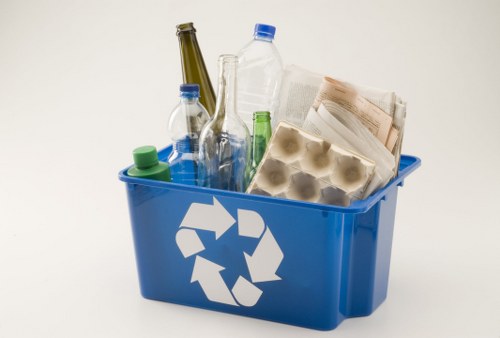 Garden Clearance Poplar is committed to creating an eco-friendly waste disposal area for residential and commercial clearances across Poplar and surrounding neighbourhoods. Our approach to garden-clearance in Poplar emphasizes material recovery, reuse and minimal landfill disposal. We work within borough waste policies to ensure that green waste, soil, timber and mixed bulky items are handled in the most sustainable way possible. This page outlines our targets, partnerships, local transfer station use and the low-carbon fleet that supports our sustainable rubbish area strategy.
We have set a clear recycling percentage target across our garden waste and clearance services: a minimum of 80% diversion from landfill by weight within two years of service for each site we clear. That target covers organic material composting, timber chipping, metal segregation and careful separation of hazardous from non-hazardous waste. Garden Clearance in Poplar aims to reduce carbon intensity per job by improving sorting on-site and expanding reuse channels for items still in good condition.
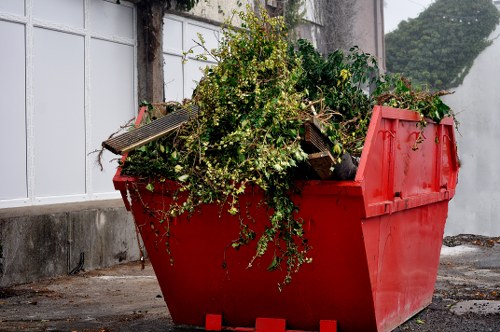 Our operations are aligned with the boroughs' approach to waste separation: where local authorities separate food and garden organics, paper and card, plastics and glass, we mirror those streams during a garden clear-out. This reduces contamination and means that materials can be sent to the correct processing facilities at the first opportunity. We regularly liaise with Tower Hamlets and neighbouring boroughs to remain updated on kerbside rules and transfer station requirements, ensuring our Poplar garden clearance works feed into existing local recycling infrastructure.
Local Transfer Stations and Sustainable Rubbish Area Logistics
To maximise resource recovery, we prioritise local transfer stations and reprocessing centres. Using nearby transfer stations reduces haulage miles, lowering emissions while ensuring green waste is sent to composting or anaerobic digestion where possible. Our logistics plan identifies the most appropriate processing routes for:
- Green waste — for composting and biomass
- Timber and wood — for chipping and reuse
- Metals and inert materials — for recycling and safe disposal
- Reusable items — donated to charities or resale outlets
 We maintain formal relationships with transfer stations in East London and work with borough-run waste facilities to ensure our loads are accepted and processed correctly. When material cannot be recycled due to contamination, we track the reason and feed back into our on-site procedures to improve separation at source. This feedback loop is central to building a robust sustainable rubbish area for Poplar clearances.
Partnerships with Charities and Community Reuse Schemes
Poplar garden clearance actively partners with local charities and community reuse centres to extend the life of furniture, pots, planters and usable landscaping features. We collaborate with social enterprises and charities to:
- Donate intact furniture and garden equipment for resale or community projects
- Provide clean soil and stones to community allotments where suitable
- Support refugee and low-income household projects with repurposed materials
Our Poplar garden clearance partnerships reduce waste, support local circular economy initiatives and provide social value. We carry out pre-clearance assessments to identify items likely to be reusable, and coordinate direct handovers where appropriate. All donations are assessed to meet charity standards, ensuring safe reuse rather than passing on unsuitable waste.
 The environmental performance of our garden-clearance services is measured using a combination of weight-based recycling rates, route-efficiency metrics and carbon accounting for transport. We publish internal reports showing progress toward our 80%+ recycling target and set incremental goals to improve material capture rates annually. Underline key priorities in operations by ensuring that each vehicle load is audited and recorded before leaving the site.
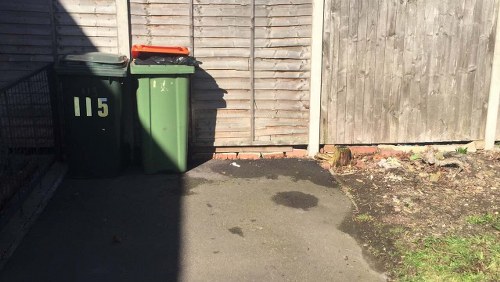 Low-carbon vans form a central part of achieving an eco-friendly waste disposal area. Our fleet includes Euro 6 diesel vehicles, hybrid vans and an increasing number of electric vehicles used for short urban hops. We optimise schedules to reduce empty running, use route-planning software to minimise mileage, and prefer smaller, low-emission vehicles for constrained Poplar streets. These decisions lower emissions, reduce local air pollution and strengthen the credentials of our sustainable rubbish area work.
In practice, our teams apply the boroughs' recommended separation protocols during a garden clearance: compostables and green waste segregated from general waste, metals kept separate for scrap recycling, and reusable goods set aside for donation. This pragmatic application of local policy helps the whole community move toward higher recycling rates and better resource stewardship. Garden Clearance Poplar remains focused on continuous improvement, innovation in low-carbon logistics, and strong partnerships that keep materials in productive use.
We believe a sustainable clearance is about more than collection: it is about creating an effective sustainable rubbish area that links households, charities, transfer stations and low-carbon transport into one coherent system. By committing to measurable recycling targets, regular collaboration with local authorities, and transparent reporting, our garden-clearance services in Poplar contribute to a greener, more resilient urban environment.
Join us in making garden clearing part of the circular economy: reduce waste to landfill, support local reuse, and choose services that prioritise the environment and community value. Our ongoing work in Poplar aims to set a high standard for sustainable, eco-friendly waste disposal in inner-city green spaces.